Category: Uncategorized

  • Garlic for Back Pain: Does it Really Work?

    Garlic for Back Pain: Does it Really Work?

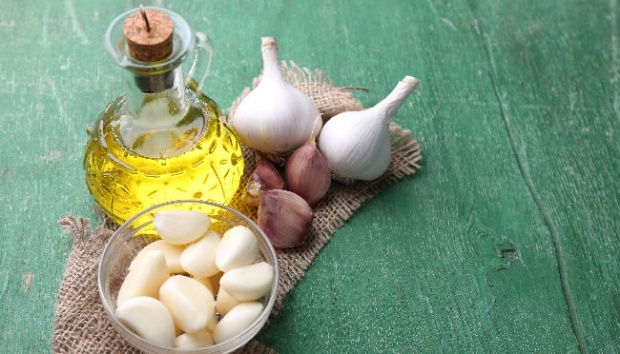
    We all know that inflammation alone can trigger pain, so controlling or minimizing it may be effective. If it’s true that in addition to being a vampire repellant, garlic is also an anti-inflammatory power food then why not add it more often to your food.
    Here are some amazing facts that can be found in many journals of medicines:

    1. Plants of the genus Allium are known for their production of organic sulfur compounds, which possess interesting biological and pharmacological properties. Among these, garlic is one of the most widely used.
    2. When extracted and isolated, these compounds exhibit a broad spectrum of beneficial effects against microbial infections and are used to protect against heart disease.
    3. Garlic is currently being studied for its ability to boost the immune system and possibly fight cancer.
    4. Garlic contains allicin, a potent, sulfar-based compound that is responsible for the distinctive aroma, but may also be the reason for garlic’s antibacterial properties.

    Garlic, often referred to as the “stinking rose,” does seem to have a full bouquet of health benefits. But preparation matters. Research confirms that heating garlic too soon interferes with the health-promoting benefits of allicin.

    Be sure to allow minced, chopped or crushed garlic to sit for 5 to 10 minutes before heating. If you are inpatient and throw it into that hot olive oil or boiling water too soon, you will deactivate the beneficial enzyme. Patience is definitely a virtue when it comes to preparing this gold nugget!

    If you do make the effort to include more garlic in your food you will find that you have more energy and feel better all around. Now it may be pure coincidence, but I’m going to continue my regime of taking one clove in the morning. I’ve also been incorporating it into the main meal of the day. After all, except for ice cream, what doesn’t taste better with a little garlic?

  • What Should be Done After Spine Surgery

    Considering the enormous role that our spines play in our day-to-day lives, the idea of undergoing any type of surgical procedure on your neck and back can be very intimidating. Fortunately, many conditions that cause pain and complications in the neck or back can be treated with minimally invasive procedures that drastically reduce recovery times and improve outcomes. However, whether undergoing a relatively minimal treatment, such as laser spinal surgery, or a more extensive operation, such as spinal fusion, it is crucial to take special care during recovery to prevent injury and ensure a good outcome.

    Our board-certified specialists in spine and neurosurgery believe that a successful neck or back treatment relies just as much on the patient’s dedication to a safe and healthful recovery as the skilled surgeon performing the procedure. The following tips will help ensure that the time you spend recuperating is both effective and convenient.

    Things to Do After Spine Surgery Recovery

    • Take your Time – Don’t push yourself to get to everyday activities until your body is ready. Get plenty of continuous sleep at night and move regularly but gently throughout the day to allow your body to heal.
    • Follow your Doctor’s Orders – If you’ve been prescribed certain medications, be sure to take them as instructed. Also, if your doctor has prescribed a neck or back brace, wear it as often as directed to stabilize and support your body while it recovers.
    • Ask for Assistance – Whether you live alone or with others, it will be in your best interest to have a helpful hand every now and then for tasks such as preparing meals or other errands. If more involved assistance is necessary, you may hire a private duty healthcare provider to help on a daily or weekly basis.

  • Minimally Invasive Techniques for Lumbar Stenosis

    Lumbar stenosis is the gradual narrowing of the space where nerves pass through the spine. This narrowing can compress and irritate the nerves branching out from the spinal cord, causing pain or numbness in the lower body.

    Symptoms:

    • Decreased endurance during physical exercise and activities
    • Numbness/ tingling, weakness or cramping in legs, calves or buttocks
    • Lower back pain
    • Hip pain
    • Buttock pain
    • Leg pain
    • Symptoms improve when sitting, leaning forward or laying on the back

    Causes

    Lumbar stenosis is caused by changes in the shape and size of the spinal canal as people age. Lumbar stenosis is most common in adults over the age of 50 and is typically caused by arthritis of the spine.

    • Bone overgrowth: Joint disease called osteoarthritis can prompt the growth of bone spurs, which push on the spinal cord.
    • Thickened ligaments: Connective tissue can become thick and stiff over time; these thicker ligaments can bulge into the spinal cord.

    Non-Surgical Treatment

    Mild to moderate symptoms can typically be managed with pain medications, exercise and physical therapy. Also, steroid injections may be helpful; however, they seem to only offer temporary improvement.

    Surgical Treatment

    If your symptoms worsen or limit your activities, there are multiple surgery options:

    Decompresison laminectomy surgery: This is the most common surgical treatment for lumbar stenosis; it involves removing the bone or ligaments that are pressing on the spinal cord and/ or nerves. A surgical procedure removes a portion of the vertebral bone, called the lamina, to widen the spinal canal; this creates more space for the formerly compressed spinal nerves.

    This can be accomplished by many different approaches – standard laminectomy, microsurgery laminectomy, decompression with possibly a lateral fusion, interlaminar lumbar interbody fusion, posterior decompression. These different approaches correspond to the patient’s examination and other abnormalities seen on MRI.